
Mary, Queen of Scots
Linlithgow’s most famous royal daughter
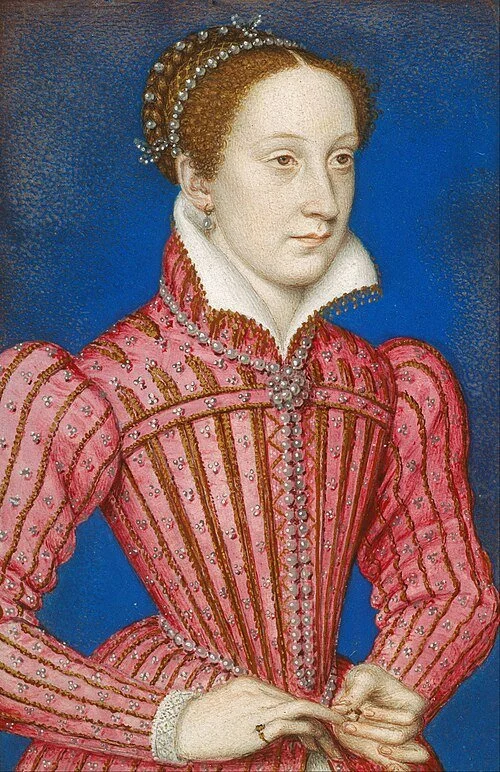
Mary, Queen of Scots, portrait by François Clouet, c.1558–1560.
Born at Linlithgow Palace in December 1542, Mary became Queen of Scots when she was just six days old. Her extraordinary life would take her from Linlithgow to the French court, the Scottish throne and ultimately imprisonment in England.
Although her time in Linlithgow was brief, Mary remains one of the town's most famous daughters. Today, visitors can still stand within the palace where her remarkable story began.
A Childhood in France
Scotland in the 1540s was a dangerous place for a young queen. Rival nobles competed for power, and England sought to secure control of Scotland through a marriage between Mary and the future Edward VI.
To keep her safe and strengthen Scotland's alliance with France, Mary was sent across the Channel at the age of five. She grew up at the French court alongside the royal family and received an education that few women of her time could match.
Mary learned several languages, studied music, poetry and literature, and became known for her intelligence, grace and confidence.
DID YOU KNOW?
Mary was born at Linlithgow Palace on 8 December 1542 and became Queen of Scotland just six days later.
Mary was unusually tall for a woman of her time, standing around 5 feet 11 inches (1.8 metres).
More than a Queen
Mary is often remembered for political intrigue and tragedy, but she also enjoyed many of the pursuits expected of a Renaissance princess.
She loved dancing, music and hunting, and was an accomplished horsewoman. She enjoyed outdoor pursuits, took part in hawking and riding, and was known for her skill and energy. Mary was also interested in fine clothing, embroidery and the arts, bringing many of the fashions and cultural influences of the French court with her when she returned to Scotland.
Her warmth, charm and education impressed many who met her, although these qualities would not always be enough to overcome the political challenges she faced.
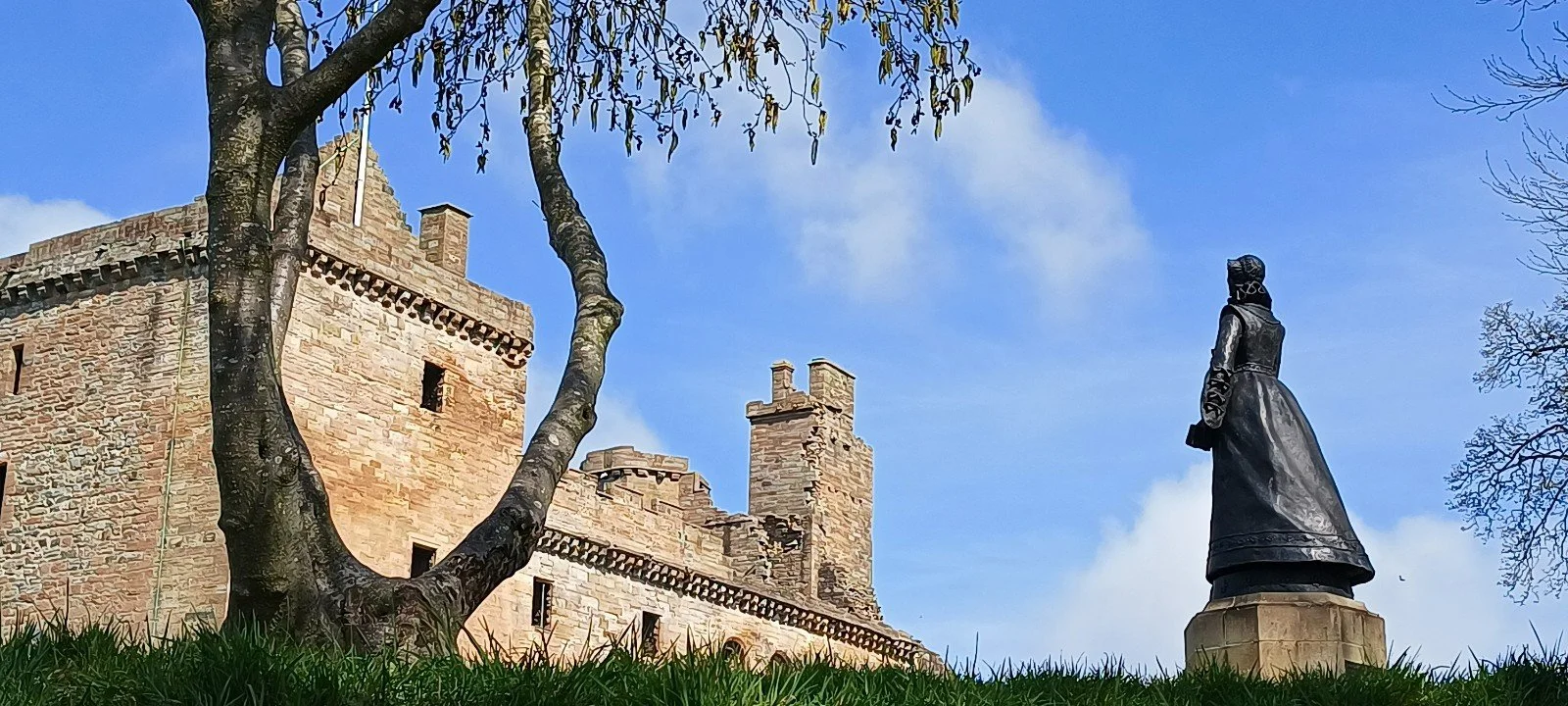
A statue of Mary, Queen of Scots overlooking Linlithgow Palace
Return to Scotland
In 1561, following the death of her husband, King Francis II of France, Mary returned to Scotland at the age of eighteen.
She arrived in a country that had changed dramatically during her years abroad. Scotland had undergone the Protestant Reformation, and tensions between Catholics and Protestants shaped much of the political landscape she inherited.
Despite these challenges, Mary worked to govern her kingdom and initially enjoyed considerable popularity. However, a series of political disputes, rebellions and controversial marriages gradually weakened her position.
DID YOU KNOW?
She spoke several languages, including Scots, French, Latin and Italian.
A small dog is said to have hidden beneath her skirts during her execution in 1587 and was discovered only afterwards, refusing to leave its mistress's side.
A Queen in Crisis
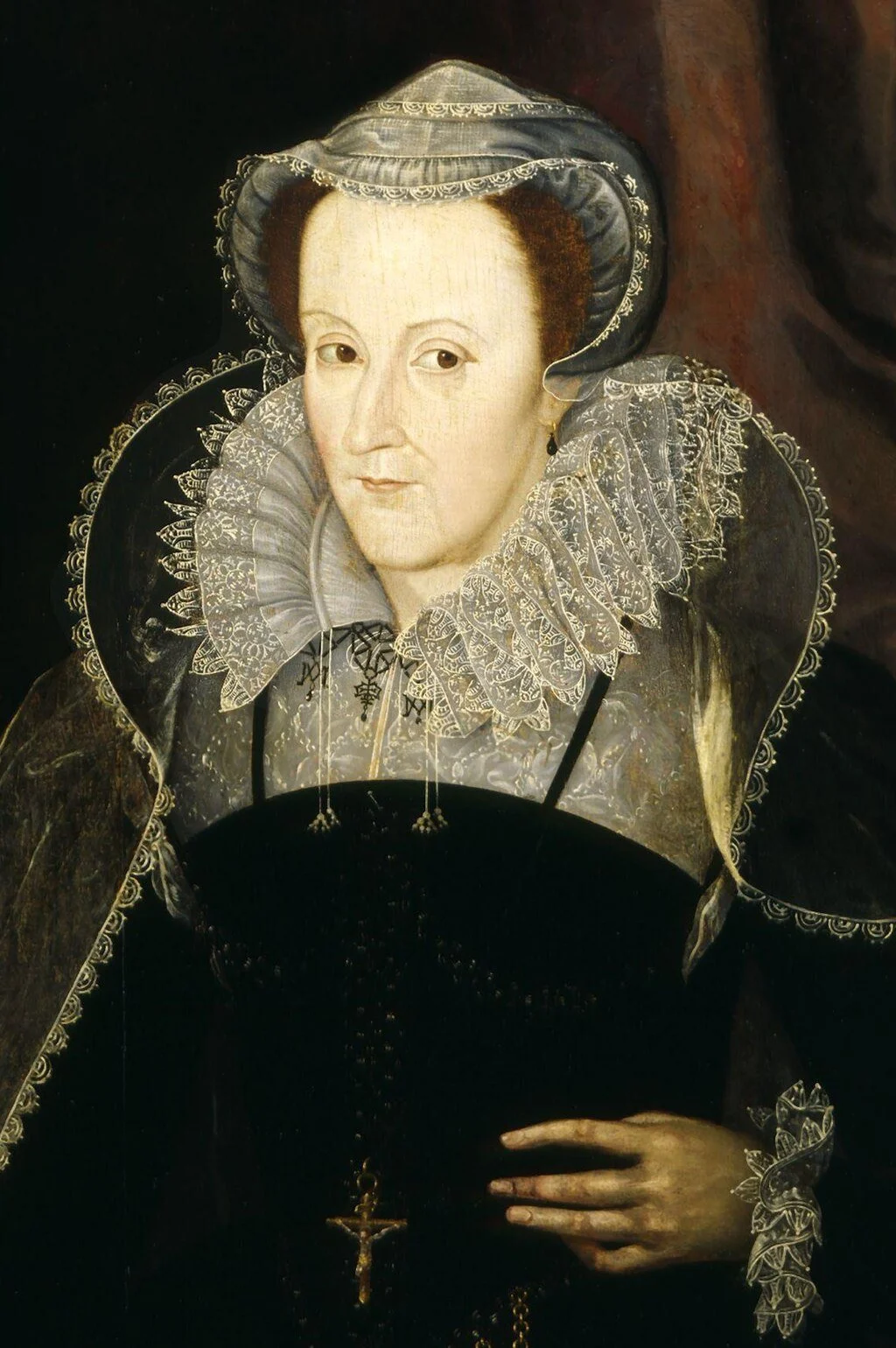
A traditional portrait of Mary, Queen of Scots
The murder of Mary's second husband, Lord Darnley, in 1567 sparked one of the greatest controversies of her reign. When she later married James Hepburn, Earl of Bothwell, many nobles believed he had been involved in Darnley's death.
Whether Mary was a victim of circumstance, poor advice or political manipulation remains the subject of debate today.
Facing growing opposition, she was forced to abdicate in favour of her infant son, James VI, and imprisoned.
Captive and Condemned
After escaping captivity, Mary fled to England hoping for protection from her cousin, Queen Elizabeth I.
Instead, she spent nearly nineteen years under house arrest.
As the focus of numerous plots against Elizabeth, Mary came to be seen as a political threat. In 1587 she was tried for treason and sentenced to death.
On 8 February 1587, Mary was executed at Fotheringhay Castle. She was forty-four years old.
DID YOU KNOW?
Her personal motto was "In my end is my beginning"—a phrase still closely associated with her today.
As a Linlithgow native, Mary is sometimes affectionately described locally as a ‘Black Bitch’ — a reference to the black female greyhound on the town's historic burgh arms.
She remains one of Scotland's most fascinating historical figures.
A Lasting Legacy
Mary's life has inspired books, films, plays and debate for more than four centuries. To some she was a tragic heroine; to others, a political figure whose decisions shaped the future of Scotland.
Whatever the interpretation, her story continues to fascinate.
For Linlithgow, she remains the town's most famous daughter — a local lass whose life began within the walls of Linlithgow Palace and whose story became one of the most remarkable in Scottish history.
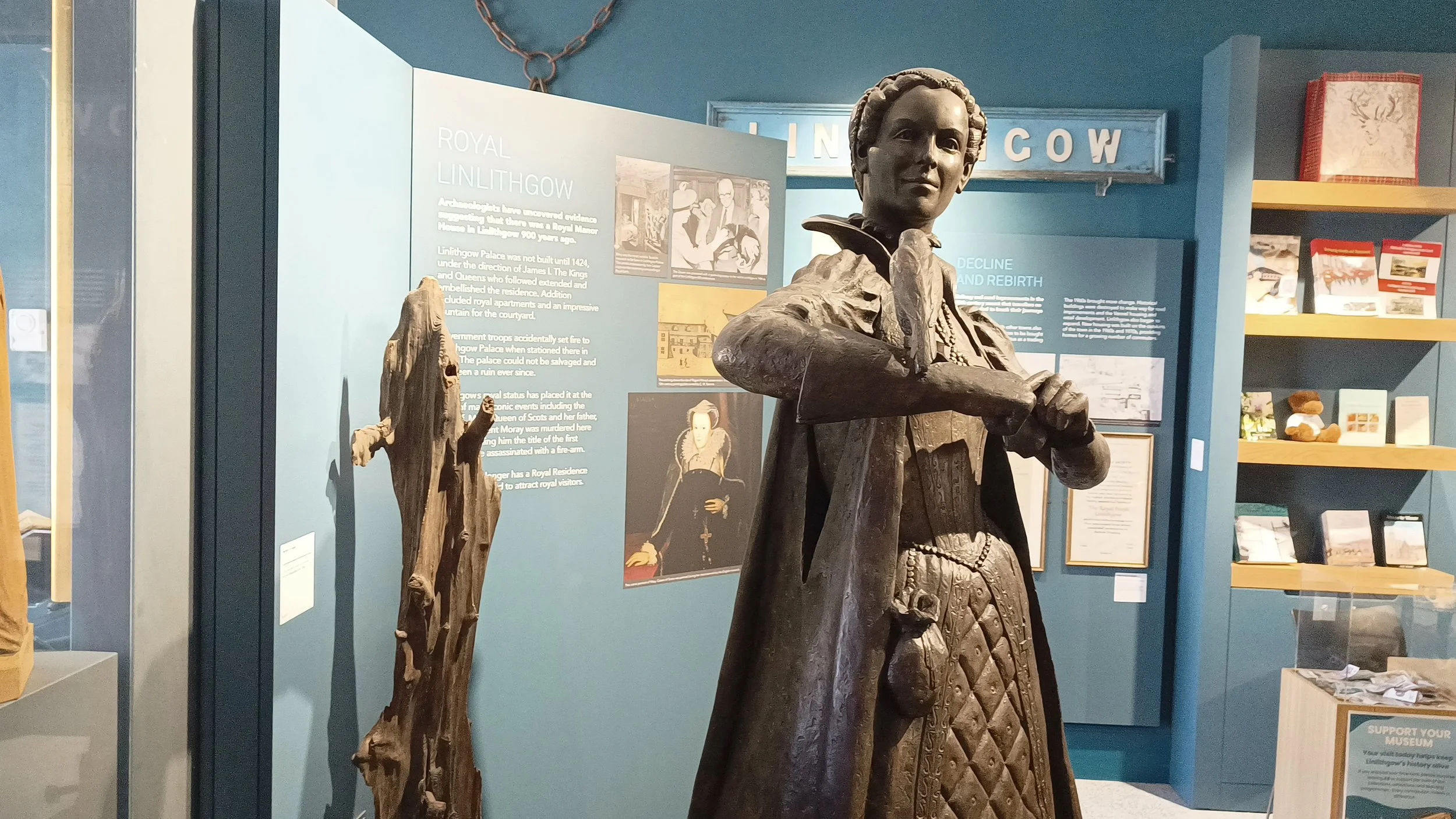
Statue of Mary, Queen of Scots at Linlithgow Museum
Discover Mary at Linlithgow Museum
Mary’s story begins just a short distance from the museum at Linlithgow Palace, where she was born in December 1542. Today, you can discover more about her connections with the town at Linlithgow Museum.
Come face to face with our striking statue of Mary, explore the story of Royal Linlithgow and discover more about the people, places and events that shaped the town she was born into.